
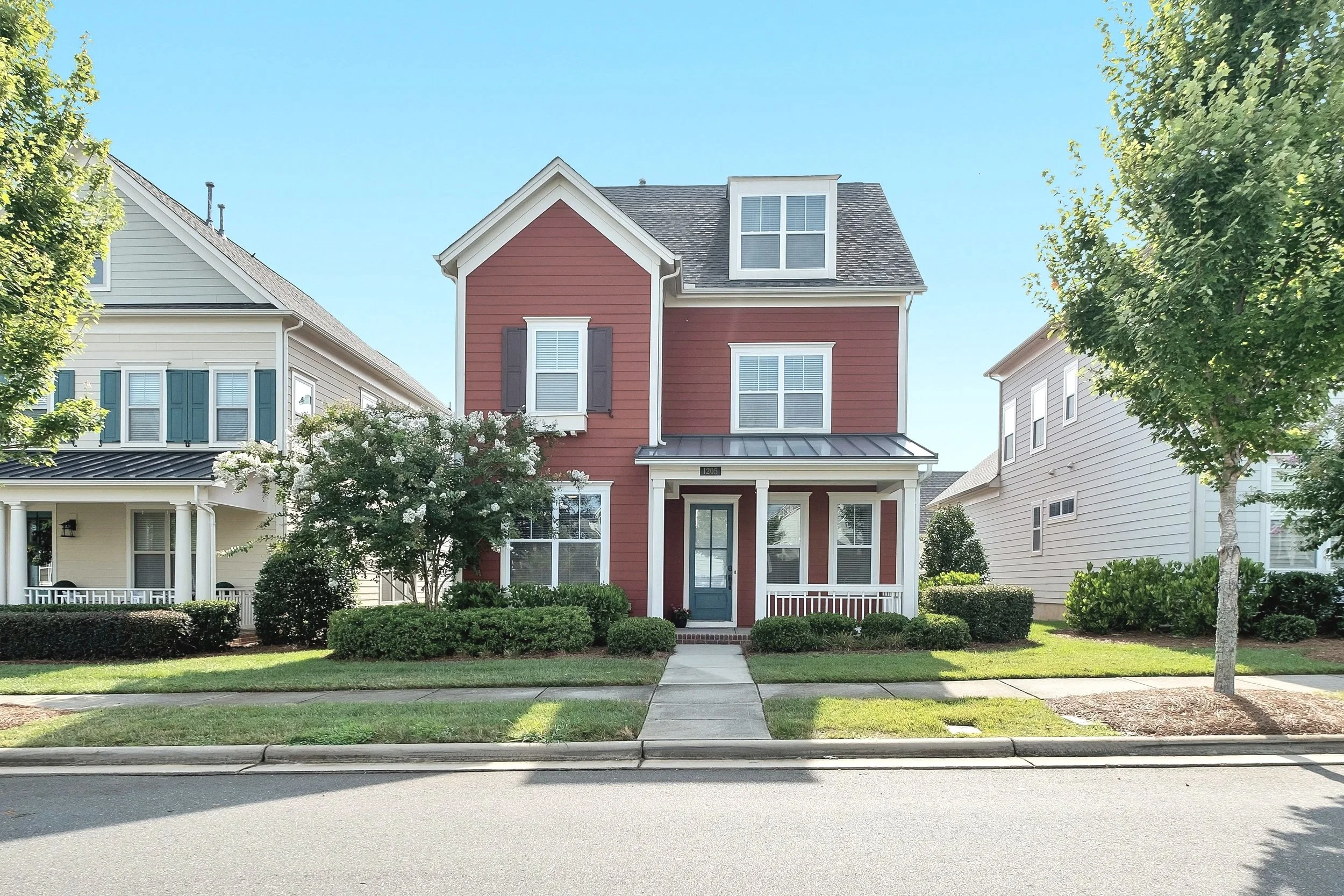
Divorce Appraisals in San Antonio
Neutral, independent appraisals prepared for divorce and property division matters.
Impartial home valuations for divorce, mediation, and property division
When a home is part of a divorce, one of the biggest questions is often, what is the property actually worth?
At River Oak Appraisals, independent residential appraisal services are provided for divorce, mediation, and asset division matters.
The goal is to deliver a neutral, market-supported opinion of value that can help reduce uncertainty and support more informed decisions during a difficult transition.
Whether the appraisal is being ordered for personal planning, attorney review, mediation, or settlement discussions, the report is prepared as an independent professional appraisal, not as an advocacy document for either side.
What to Know About Divorce Appraisals
-
Disagreements over real estate value can quickly create unnecessary conflict. Online estimates are often too broad to rely on, and informal opinions from friends, agents, or family members are rarely seen as neutral or sufficiently supported for an important financial decision.
When the value of a home may affect buyout discussions, settlement terms, or the overall division of assets, even a relatively small difference in value can have a meaningful financial impact. A private divorce appraisal helps reduce guesswork by providing a credible, independent opinion of value based on market evidence.
A private divorce appraisal can help by:Establishing a credible, independent opinion of value
Reducing disputes over what the home is worth
Giving attorneys and mediators a stronger starting point for negotiations
Helping one party evaluate a buyout option with greater confidence
Providing support for settlement discussions or court-related matters, when needed
In many cases, obtaining a professional appraisal early in the process can save time, reduce stress, and help both sides move forward with better information and greater confidence.
-
A divorce or asset division appraisal is not the same as a lender’s appraisal, even when both involve the same property.
A private appraisal for divorce is prepared to help the parties, attorneys, or mediator determine a credible value for the case. It may be used for negotiation, mediation, settlement discussions, or other decisions related to dividing real estate interests.
A bank appraisal serves a different purpose. It is ordered for the lender, not for the parties, and helps the lender evaluate whether the property provides adequate collateral support for the loan being considered. In simple terms, it helps the bank assess lending risk, not resolve the value issues involved in a divorce.
That is why some situations require two separate appraisals. For example, the parties may need one appraisal to help determine a fair value for buyout or settlement purposes. Later, if one spouse refinances to keep the home, the lender will usually require its own appraisal for the new loan.
In some cases, a divorce appraisal may also need to reflect a specific prior date, such as the date of separation or filing, while a lender appraisal is typically focused on current market value for mortgage purposes.The simplest way to think about it is this: one appraisal is for the needs of the case, the other is for the needs of the bank.
-
In divorce appraisal assignments, the opinion of value depends on the effective date of the appraisal. In some cases, a current market value is needed. In others, the appraisal must reflect the property’s value as of an earlier date that is relevant to the matter.
Because the effective date can materially affect the value conclusion, it should be identified before the assignment begins. If an attorney is involved, that date is typically determined as part of the legal strategy or case needs.
-
A current market value appraisal reflects the property’s value as of today’s date. This is often useful for present-day negotiations, buyout discussions, settlement planning, or other situations where the parties need to understand the home’s value in the current market.
-
A retrospective appraisal reflects the property’s value as of a prior date rather than the present. In divorce matters, that prior date may be the date of separation, the date of filing, or another date identified by the client or attorney as relevant to the case.
The appraiser does not choose which retrospective date applies. That decision should be made by the client or attorney before the assignment begins. Unless specifically requested otherwise, the appraisal is developed for one effective date only, not multiple dates.
How the Process Works
1. Initial Consultation
Call or submit an inquiry with the property address and a brief overview of the situation. After a few questions, a quote can usually be provided and the intended use of the appraisal can be discussed.
2. Property Inspection
A walkthrough is scheduled at a convenient time. The inspection focuses on the home’s physical characteristics, condition, quality, updates, and overall market appeal..
3. Valuation Analysis
A certified residential appraisal is developed using relevant comparable sales, market data, and neighborhood-specific research. This is not a broker price opinion or CMA, it is an independent appraisal prepared in compliance with USPAP.
4. Report Delivery
A professional appraisal report is delivered in a format suitable for the intended use identified at the start of the assignment, whether for private decision-making, attorney review, mediation, or other related purposes.
Get clarity before bigger decisions have to be made.
When the house is one of the largest assets involved, having a neutral, supportable value opinion can make the next steps much easier.
Call or text River Oak Appraisals to discuss your situation and request a confidential quote.
Fees
Private appraisal assignments for divorce and asset division typically start at $600, with final pricing based on property complexity and location.
Request a Confidential Quote
Prefer to speak directly?
Call or text (210) 500-7880
Important Note:
River Oak Appraisals provides independent appraisal services and does not provide legal advice. When legal strategy or filing dates are involved, clients should consult their attorney regarding the appropriate effective date for the assignment.